
Chapter 2
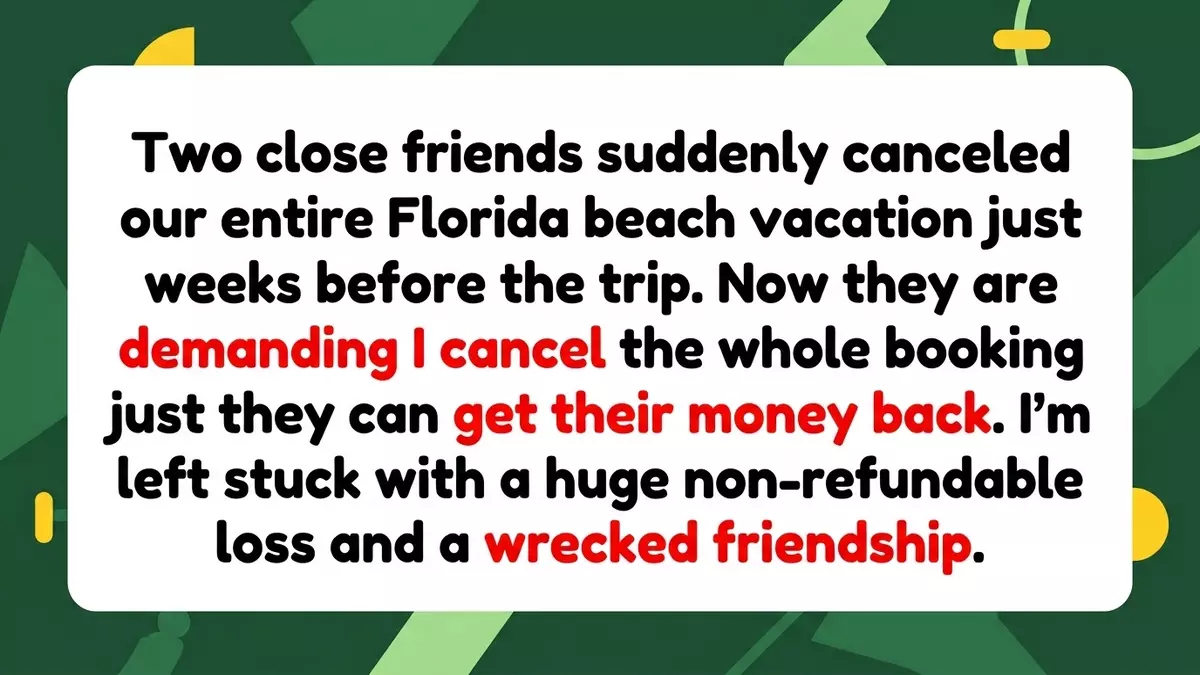
According to renowned friendship experts, financial disparities and unmet expectations are among the most common triggers for friendship breakdowns. In this scenario, the retired friends may have been experiencing a psychological phenomenon known as loss aversion. They were desperately hoping for a loophole to salvage their funds, even if it meant spoiling someone else’s vacation. However, because the rental company’s policy was entirely strict, canceling the trip would result in a lose-lose scenario where everyone loses their money and nobody gets a vacation. This kind of pressure can cause significant strain on even the most valuable relationships.
Strategies for Establishing Empathetic Boundaries
To navigate this sensitive situation without destroying close bonds, a traveler must establish firm but highly empathetic boundaries. Handling difficult conversations with absolute transparency is often the best way to preserve mutual respect.
| Step | Actionable Strategy | Relational Purpose |
| 1. Present Written Policies | Share the official cancellation terms directly from the rental agency or landlord. | Effectively shifts the "blame" away from you and onto the company's rigid, non-negotiable rules. |
| 2. Offer Practical Assistance | Help actively search for replacement guests to fill the empty rooms and recoup lost funds. | Demonstrates that you still care deeply about your friends' financial well-being while protecting your own time off. |
| 3. Reframe the Narrative | Explain that keeping the booking doesn't change their financial loss, but canceling hurts you needlessly. | Clarifies that your solo attendance isn't done out of malice, but out of logistical reality. |
At the end of the day, balancing personal well-being with the financial expectations of friends is a delicate tightrope walk. The author was left in an incredibly tough spot: choosing between a much-needed, pre-planned vacation and the risk of harboring long-term resentment within their social circle. While it is easy to sympathize with retired friends facing a fixed-income financial strain, expecting another person to forfeit their own hard-earned time off because of a personal change in circumstances crosses a clear boundary.
Conclusion: Protecting Personal Peace Without Guilt
The online community overwhelmingly rallied behind the author, pointing out the sheer lack of logic in the friends' demands. A few commenters urged the author to tread lightly, noting that financial desperation can make people act irrationally, but the consensus remained firm: sacrificing your own mental health and hard-earned break for a non-refundable booking serves absolutely no one.
Ultimately, this situation serves as a powerful reminder of why clear communication and travel insurance are so critical when planning group trips. Without a clear agreement upfront, minor misunderstandings can quickly snowball into friendship-ending disputes. Protecting your personal peace and financial boundaries is just as important as maintaining a social bond, and proceeding with your trip alone is a healthy, rational choice.