
Chapter 8
“Yes,” she said. “But you may need to decide for yourself what that difference means.”
She closed the folder.
“There’s one more thing. Your father left an original document in a safe deposit box. I have the key, but the bank will require proper identification and verification of your authority before releasing anything.”
“What document?”
“The original partnership agreement. And a letter your father wrote shortly before his death.”
I stood.
“Then let’s go get it.”
Eleanor studied me for a moment.
“You have your father’s determination.”
“I hope I also have his ability to recognize when someone is lying.”
She gave a faint, sad smile.
“You may need both.”
Chapter 4: The Truth About Our Courtship
The original partnership agreement was stored in a bank vault in downtown Boston.
Eleanor accompanied me with her attorney, who helped arrange access under the bank’s procedures.
The document was old but intact.
It listed the original investors and their respective interests. Thomas Bennett’s name appeared near the top of the page.
His signature was clear.
The revised agreement Richard had used contained a signature that looked similar, but not identical.
A forensic document examiner would need to evaluate the differences before anyone could draw a firm conclusion. Still, the original agreement was powerful evidence that the land project had begun under terms very different from those Richard later presented.
The safe deposit box also contained my father’s letter.
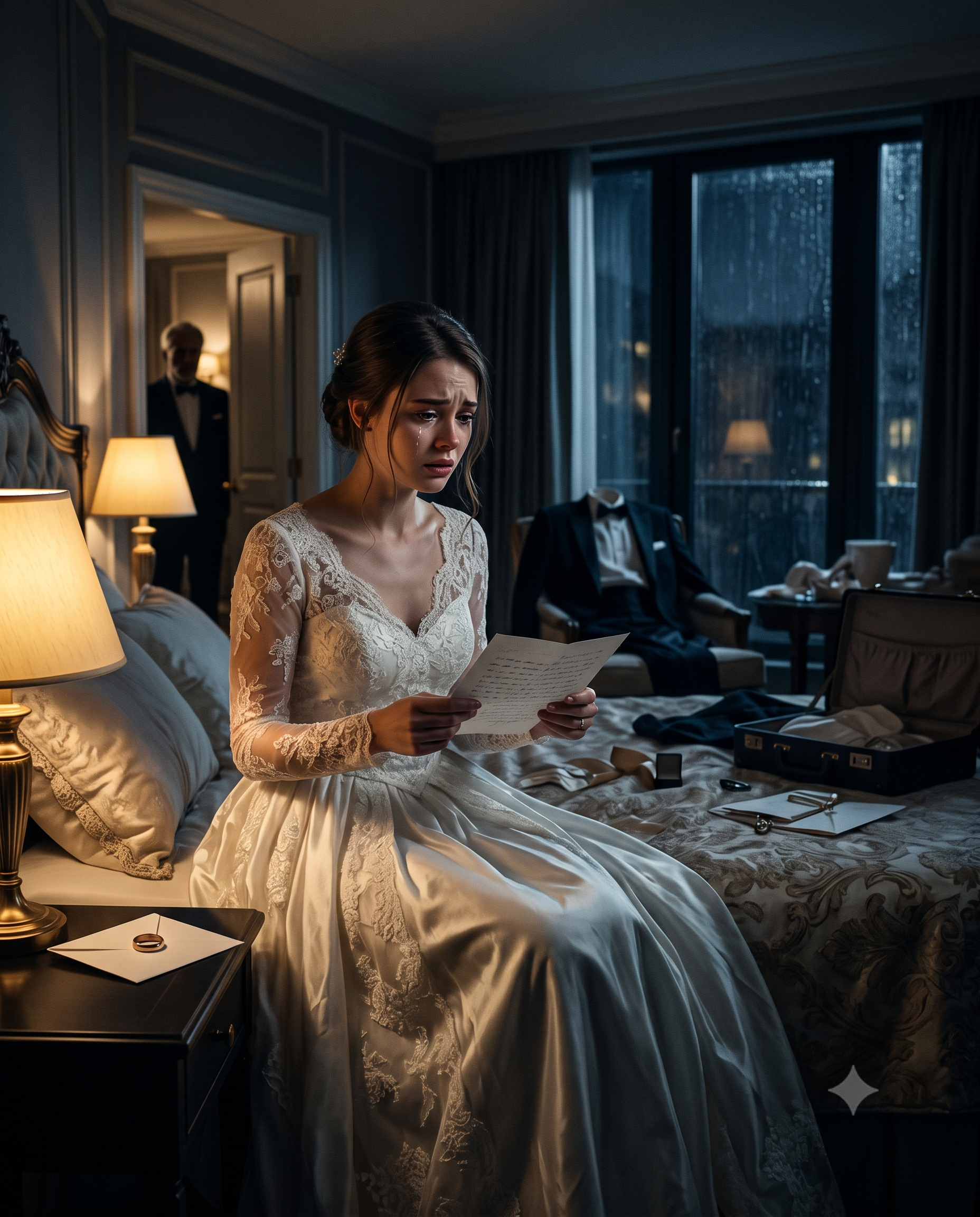
I unfolded it carefully.
Olivia, if you ever read this, I hope it means someone finally had the courage to put the truth in your hands.
I felt tears rise.
I have spent years trying to recover what was taken from our family. I don’t regret fighting for it, but I regret keeping you in the dark. I wanted you to have a normal life, free from the burden of my mistakes and other people’s greed.
He described the original land agreement and explained that he had refused to sign a transfer document because the payment terms were never fulfilled.
Then he wrote something that made my hands go cold.
Richard’s son, Nathaniel, visited me two years before I died. He said he wanted to understand what had happened. He asked me for copies of the documents, and I gave him a summary of the dispute.
I stopped reading.
Nathaniel had known about my father’s claim before he ever met me.
I continued.
He seemed ashamed of what his family had done. He told me he wanted to make things right. I believed him, though I warned him that good intentions would mean nothing if he allowed his father to control the outcome.