
Chapter 3
Know Your Local Codes: Before changing drainage patterns or building structures, check with your municipality to ensure you are fully compliant.
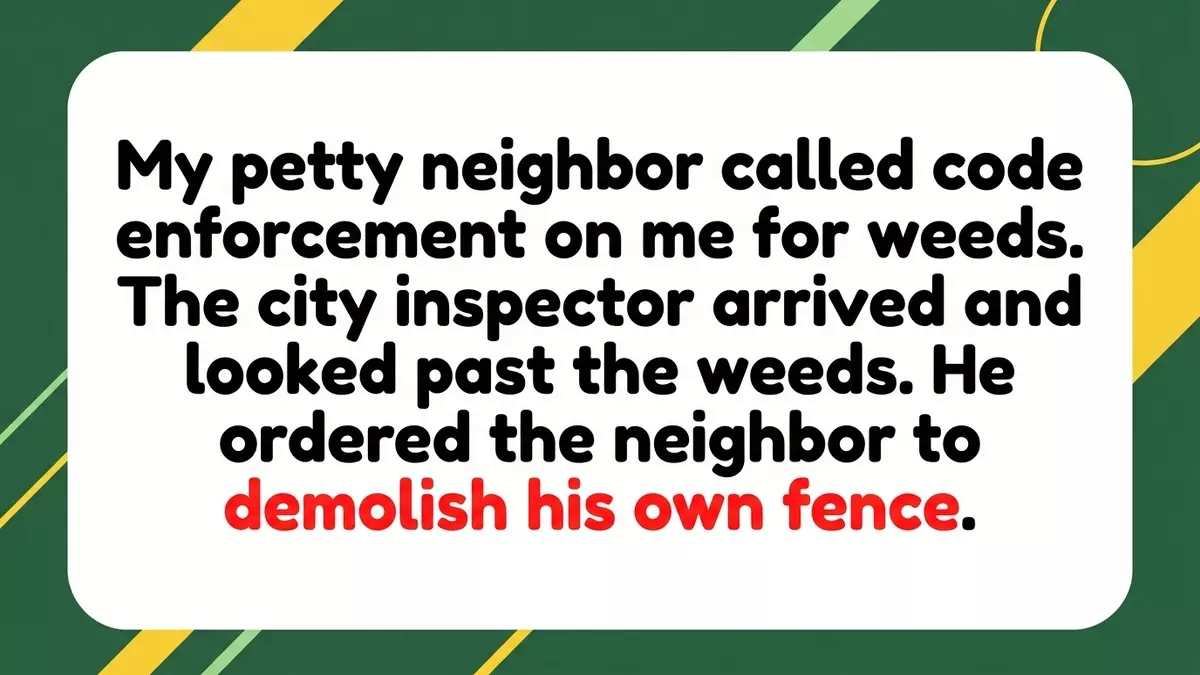
Ultimately, a neutral, legal resolution is always safer—and cheaper—than engaging in a petty feud that could end up costing you your own fence.
Frequently Asked Questions
1. What should I do if my neighbor builds a fence on my property?
The first step is to hire a licensed land surveyor to officially locate the property line. If the survey proves the fence encroaches on your land, provide a copy of the survey to your neighbor and request that they move it. If they refuse, you can contact code enforcement or seek legal counsel to file a property dispute claim.
2. Can a neighbor legally change the water drainage flow onto my land?
In most jurisdictions, it is illegal for a homeowner to alter the natural topography of their land in a way that channels excessive water runoff directly onto a neighboring property, causing damage. If a neighbor's grading project threatens your foundation or basement, you can report it to your local building department or code enforcement office.
3. Is it wise to call code enforcement on a neighbor?
Calling code enforcement should generally be a last resort. Because municipal inspectors are required to document any violations they see, reporting a neighbor can often result in a retaliatory inspection of your own property. It is always best to try to resolve the issue directly or through mediation first.
4. What is boundary aggression in psychology?
Boundary aggression refers to the heightened territorial behavior individuals display when they feel their personal or physical space is being threatened. In neighborhood dynamics, it often manifests as obsession over property lines, controlling behavior regarding shared spaces, and using administrative systems (like HOAs or city codes) to harass others.
5. How can I legally resolve a dispute over a shared property strip?
You can resolve a shared property dispute by getting a certified survey, reviewing your property deed for easements, or hiring a professional mediator. If both parties agree on a solution, you can have a real estate attorney draft a formal boundary line agreement or easement and record it with your local county clerk.