
Chapter 3
2. Is it selfish to want to be alone forever?
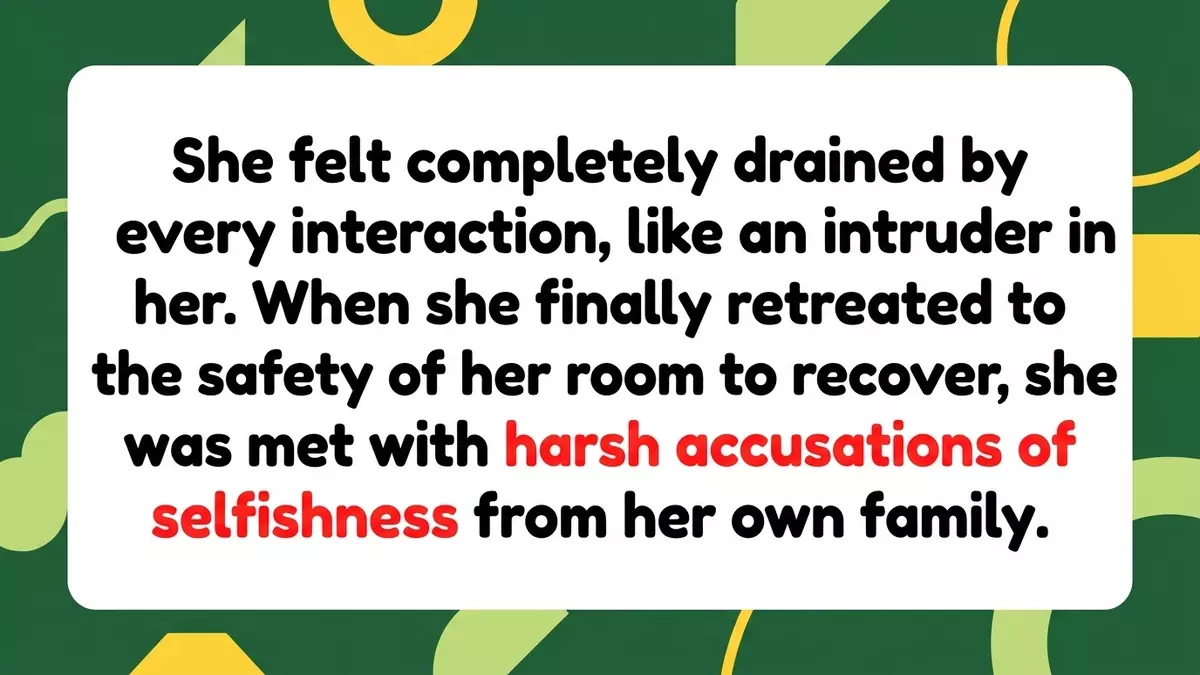
No, it is not inherently selfish. The desire for lifelong solitude often stems from neurodivergence, sensory processing sensitivity, or severe social anxiety. Wanting to live an isolated life to protect your mental health is a valid personal preference, provided you can support yourself independently.
3. How can I explain my need for extreme solitude to an extroverted family?
Explain it using biological terms rather than emotional ones. Frame your isolation as a necessary "battery recharge" rather than a rejection of their company. Try saying: "My brain processes sounds and social interactions very intensely, and I need quiet time alone to reset my nervous system so I don't get physically sick."
4. What kinds of careers are best suited for people with severe social exhaustion?
Careers that offer remote work, flexible schedules, and independent tasks are ideal. Excellent options include computer programming, data analysis, freelance writing, digital graphic design, archive management, and research roles where human interaction is limited primarily to email or text.
5. Can a person balance family expectations while maintaining total privacy?
Yes, but it requires compromise and explicit boundaries. Setting a specific schedule—such as agreeing to join the family for dinner for 30 minutes in exchange for uninterrupted solitude during the evening—can help satisfy a family's desire for connection while protecting your need for space.